Influencer marketing has transformed from a trendy buzzword into one of the most powerful digital marketing strategies of the decade. Brands today no longer rely only on traditional advertising — they collaborate with social media personalities who have built trust with their audiences. But when it comes to choosing the right type of influencer, marketers often face a crucial question:
Should you partner with micro-influencers or macro-influencers?
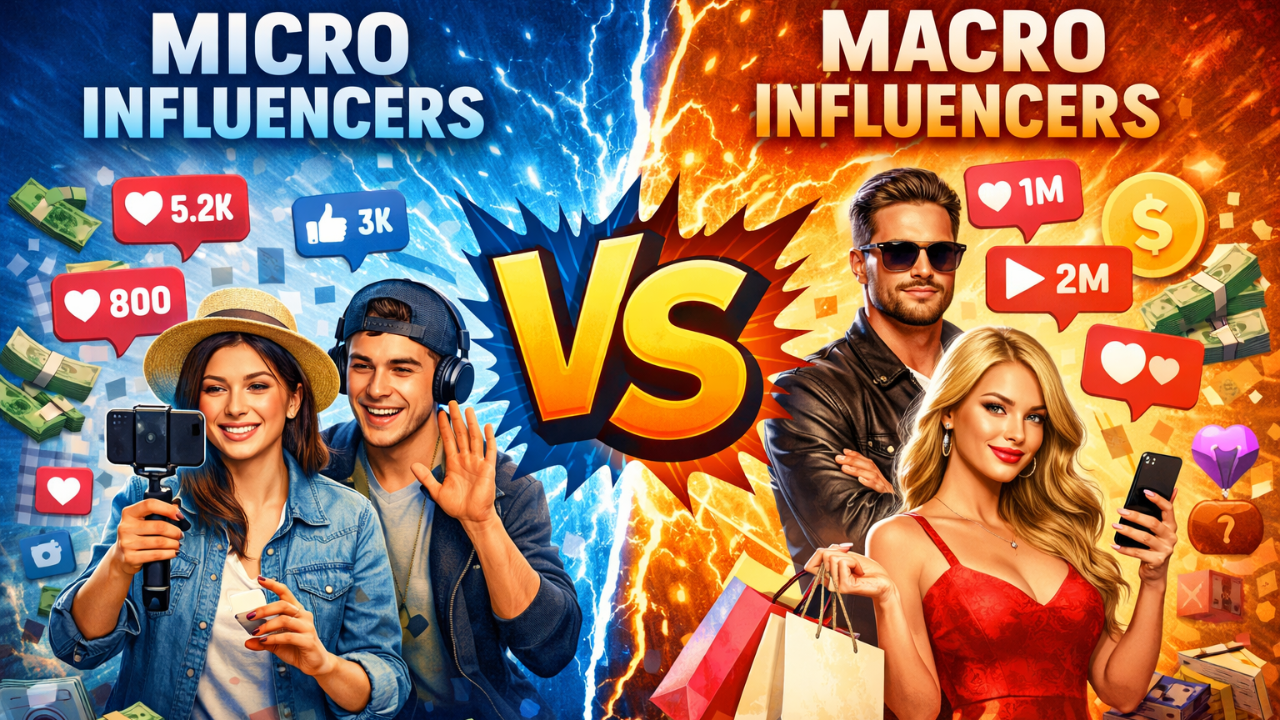
This debate — micro-influencers vs macro-influencers — is at the heart of modern influencer marketing strategy. Each category offers unique advantages, different audience dynamics, and varying returns on investment (ROI). The real winner depends on your brand goals, budget, and campaign objectives.
In this comprehensive guide, we’ll break down everything you need to know to decide who truly wins in 2026.
Understanding Influencer Categories
Before comparing them, it’s important to understand what defines each group.
Micro-Influencers
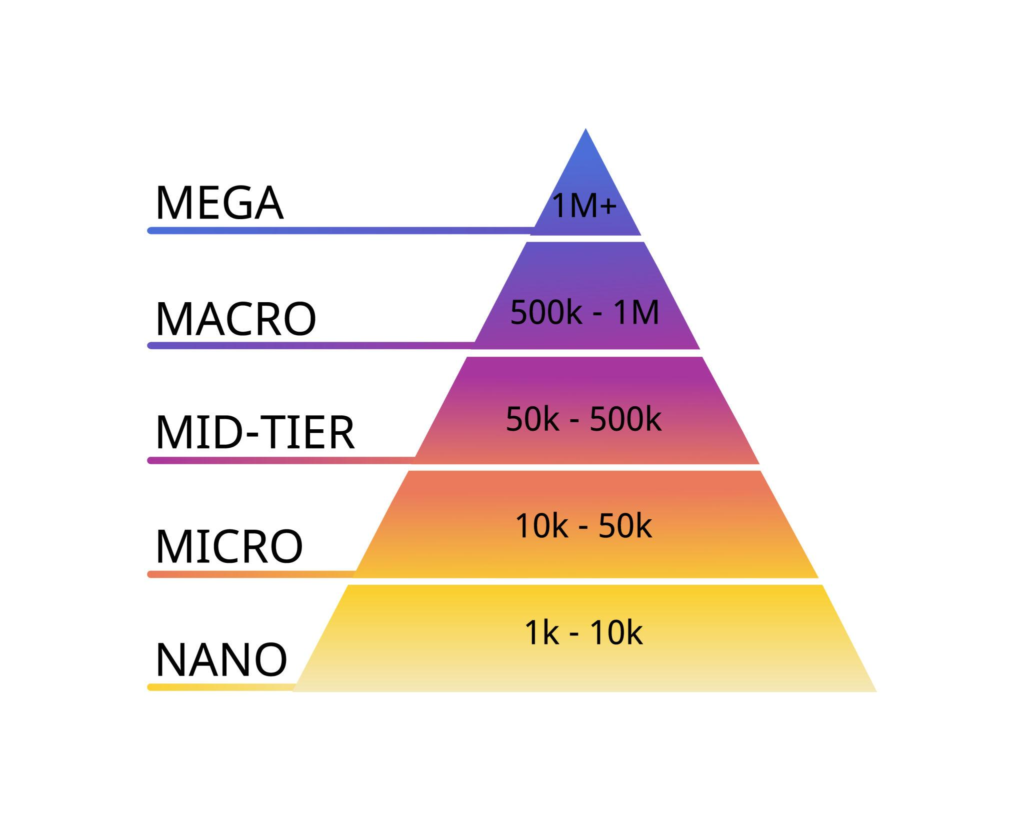
Micro-influencers typically have 10,000 to 100,000 followers on social media platforms. They are often niche experts — fitness coaches, tech reviewers, travel bloggers, skincare enthusiasts, or local food creators.
Their audiences follow them for specific interests, making their communities highly targeted and engaged.
Macro-Influencers
Macro-influencers usually have 100,000 to 1 million+ followers. They include celebrities, well-known creators, and large-scale content producers with massive reach.
They appeal to broader audiences and can instantly boost brand visibility.
The Rise of Micro-Influencers
Over the past few years, micro-influencers have become the secret weapon of smart brands.
Why?

Because audiences are becoming more skeptical of overly polished celebrity endorsements. Consumers now prefer authenticity over fame.
Micro-influencers feel relatable — like a knowledgeable friend rather than a distant celebrity.
Key Advantages of Micro-Influencers
1. Higher Engagement Rates
Micro-influencers often achieve significantly higher engagement rates than macro-influencers. Their followers actively like, comment, and trust their recommendations.
A smaller audience means stronger relationships.
2. Authenticity and Trust
Trust drives conversions. Micro-influencers build genuine connections with followers, making product recommendations feel natural rather than promotional.
3. Cost-Effective Campaigns
Working with micro-influencers is far more affordable. Brands can collaborate with multiple creators for the cost of one macro-influencer, increasing campaign reach across different niche audiences.
4. Niche Targeting
If your brand targets a specific market — such as vegan skincare, gaming accessories, or sustainable fashion — micro-influencers allow precise audience targeting.
The Power of Macro-Influencers
Despite the rise of micro-creators, macro-influencers still hold significant power.
They bring scale, prestige, and instant recognition.
Key Advantages of Macro-Influencers
1. Massive Reach
Macro-influencers can expose your brand to hundreds of thousands or even millions of people within hours.
For brand awareness campaigns, this is invaluable.
2. Professional Content Quality
Large influencers often have teams, professional equipment, and polished production standards. Their content can elevate your brand image.
3. Credibility Through Popularity
Popularity itself can act as social proof. Consumers may perceive widely known influencers as industry leaders.
4. Faster Campaign Impact
Need immediate buzz for a product launch? Macro-influencers can create viral momentum quickly.
Micro vs Macro: Engagement vs Reach
This is the core trade-off.
| Factor | Micro-Influencers | Macro-Influencers |
|---|---|---|
| Engagement | High | Moderate |
| Reach | Limited | Massive |
| Cost | Low | High |
| Authenticity | Strong | Moderate |
| Brand Awareness | Moderate | Excellent |
| Conversions | Often Higher | Varies |
Micro-influencers win in engagement and conversions.
Macro-influencers win in reach and visibility.
ROI Comparison: Who Delivers Better Results?
Return on investment is where micro-influencers often dominate.
Studies consistently show that campaigns using multiple micro-influencers can generate higher conversion rates than a single macro-influencer campaign.
Why?
Because consumers trust recommendations from relatable voices.
However, macro-influencers can deliver strong ROI when the goal is brand awareness, market entry, or large-scale launches.
When to Choose Micro-Influencers
Micro-influencers are ideal if your goal is:
- Building trust
- Driving conversions
- Targeting niche audiences
- Working with a limited budget
- Promoting specialized products
- Growing community engagement
Startups and small businesses especially benefit from micro-influencer partnerships.
When to Choose Macro-Influencers
Macro-influencers are better for:
- Large product launches
- Nationwide or global campaigns
- Building brand recognition quickly
- Luxury or lifestyle branding
- Entering competitive markets
Established brands often use macro-influencers to maintain visibility.
The Hybrid Strategy: Best of Both Worlds
In 2026, the smartest brands don’t choose one — they combine both.
A hybrid influencer marketing strategy might include:
- Macro-influencers for awareness
- Micro-influencers for engagement and conversions
This layered approach maximizes reach while maintaining authenticity.
Platform Matters Too
Different platforms favor different influencer types.
- Instagram → Strong for both categories
- YouTube → Macro-influencers dominate
- TikTok → Micro-influencers thrive due to viral potential
- LinkedIn → Micro-influencers effective for B2B
Choosing the right platform is as important as choosing the influencer size.
The Future of Influencer Marketing
Looking ahead, authenticity will continue to shape influencer marketing trends.
Audiences are becoming smarter. They value:
- Transparency
- Real experiences
- Honest reviews
This shift suggests micro-influencers will keep gaining importance, but macro-influencers will remain essential for large-scale campaigns.
So, Who Wins?
There is no single winner in the micro-influencers vs macro-influencers debate.
Micro-influencers win in trust, engagement, and conversions.
Macro-influencers win in reach, awareness, and prestige.
The real winner is the brand that aligns influencer choice with its marketing goals.
Instead of asking “Who is better?”, the smarter question is:
Which influencer type is right for your campaign?
Final Thoughts
Influencer marketing in 2026 is no longer about follower counts alone. It’s about relationships, credibility, and meaningful connections with audiences.
Micro-influencers bring authenticity.
Macro-influencers bring scale.
Together, they form a powerful marketing ecosystem capable of driving both awareness and sales.
If your brand wants sustainable growth, consider testing both types, measuring performance, and refining your strategy accordingly.
Because in the end, success in influencer marketing isn’t about choosing sides — it’s about choosing wisely.