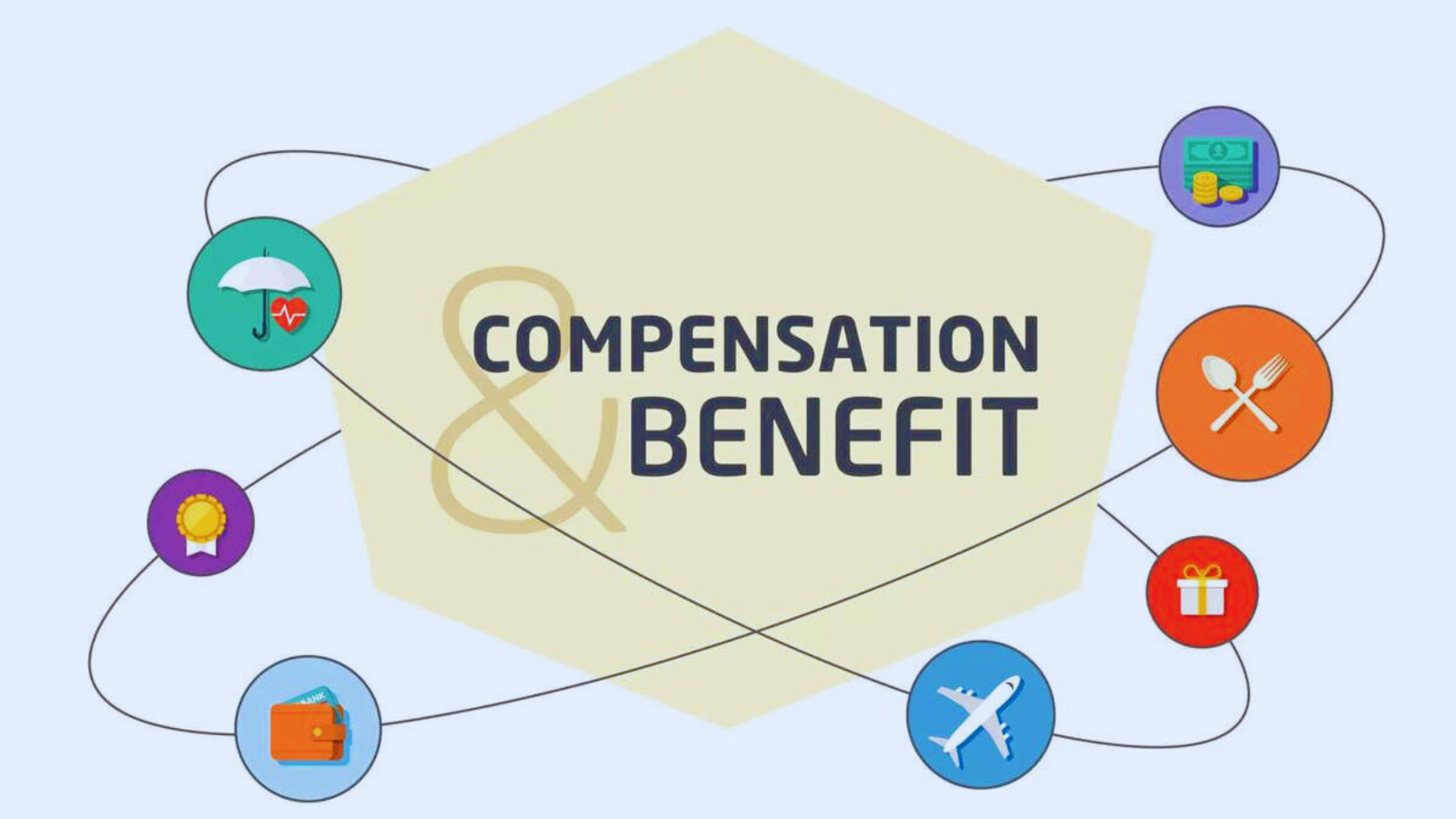


Introduction: As the modern workforce becomes increasingly diverse in terms of demographics, lifestyles, and preferences, organizations must adapt their benefits packages to meet the evolving needs of employees. A one-size-fits-all approach to benefits is no longer sufficient to attract, retain, and engage top talent. In this blog, we’ll explore the importance of tailoring benefits packages to the diverse needs of today’s workforce and discuss strategies for creating flexible and inclusive benefits offerings.
- Understanding the Diverse Needs of Employees: The first step in tailoring benefits packages is to understand the diverse needs and preferences of employees. Conduct surveys, focus groups, and interviews to gather insights into the demographics, lifestyles, and priorities of your workforce. Consider factors such as age, gender, family status, generational differences, cultural backgrounds, and life stages when designing benefits offerings. By understanding the unique needs of employees, organizations can develop benefits packages that resonate with their diverse workforce.
- Offering Flexible Benefits Options: Flexibility is key to meeting the diverse needs of employees. Offer a range of benefits options that allow employees to customize their benefits package to suit their individual circumstances and preferences. For example, provide a menu of health insurance plans with varying coverage levels and premiums, flexible spending accounts (FSAs) or health savings accounts (HSAs) to cover out-of-pocket expenses, and options for retirement savings plans with different contribution rates and investment options. By offering flexibility, employees can select benefits that align with their specific needs and priorities.
- Supporting Work-Life Balance: Work-life balance is a top priority for many employees, especially in today’s fast-paced and interconnected world. Offer benefits and programs that support employees in achieving work-life balance, such as flexible work arrangements, telecommuting options, compressed workweeks, and generous paid time off policies. Provide resources and support for childcare, eldercare, and other family responsibilities to help employees manage their personal and professional obligations effectively. By prioritizing work-life balance, organizations can attract and retain employees who value flexibility and autonomy in their work arrangements.
- Promoting Financial Wellness: Financial wellness is another critical aspect of employee well-being that organizations should address through their benefits packages. Offer financial wellness programs, resources, and education to help employees manage their finances, save for the future, and achieve their financial goals. Provide access to financial planning services, budgeting tools, debt management assistance, and retirement planning resources to support employees in making informed financial decisions. By promoting financial wellness, organizations can alleviate financial stress and improve overall employee satisfaction and productivity.
- Emphasizing Health and Wellness: Employee health and wellness are paramount for maintaining a productive and engaged workforce. Offer comprehensive health and wellness benefits that address both physical and mental well-being. Provide health insurance coverage for preventive care, medical treatment, and mental health services. Offer wellness programs, fitness memberships, nutrition counseling, and stress management resources to support employees in maintaining a healthy lifestyle. By prioritizing employee health and wellness, organizations can reduce healthcare costs, improve productivity, and enhance employee satisfaction and retention.
- Embracing Diversity and Inclusion: When designing benefits packages, it’s essential to consider the needs of a diverse workforce and ensure that benefits offerings are inclusive and equitable for all employees. Avoid assumptions or stereotypes about employees’ preferences and lifestyles and instead focus on providing benefits that accommodate a range of needs and experiences. Consider offering diversity-focused benefits such as diversity training programs, affinity groups, and resources for LGBTQ+ employees, caregivers, and individuals with disabilities. By embracing diversity and inclusion in benefits offerings, organizations can create a culture of belonging where all employees feel valued and supported.
Conclusion: Tailoring benefits packages to meet the diverse needs of today’s workforce is essential for attracting, retaining, and engaging top talent. By understanding employees’ unique needs and preferences, offering flexible benefits options, supporting work-life balance, promoting financial wellness, emphasizing health and wellness, and embracing diversity and inclusion, organizations can create benefits packages that resonate with their diverse workforce and contribute to employee satisfaction, productivity, and retention. As the workforce continues to evolve, organizations must remain agile and responsive in adapting their benefits offerings to meet the changing needs of employees and maintain a competitive edge in the talent market.